Each year, images of towering flames, smoke-filled skies, and burned neighborhoods dominate the news, and many people assume that these disasters are mainly the result of lightning strikes or extreme weather, yet the truth is both simpler and more unsettling. Human-caused wildfires account for the vast majority of wildfire ignitions in the United States, and this fact forces us to look not only at changing climate conditions but also at our own daily behaviors. While climate change has made landscapes hotter and drier, which allows fires to grow faster and burn longer, people are responsible for starting most of these fires in the first place, often through small and preventable actions such as tossing a cigarette out of a car window, leaving a campfire unattended, or using equipment that throws sparks into dry grass.
Over the past few decades, the economic and ecological costs of wildfire in the United States have risen dramatically, and although climate change has likely enabled part of this increase by creating warmer and drier conditions, the direct role of people in increasing wildfire activity has often been overlooked. When we focus only on climate trends, we miss a critical piece of the story, which is that most fires begin with a human spark, and that means they are, in many cases, preventable. Understanding how and why people ignite so many fires is essential if we hope to reduce the damage that wildfires cause to communities, forests, and the national economy.
.
The Growing Economic Costs of Wildfire
Wildfires are no longer rare or isolated events that affect only remote forests, because in recent decades they have become larger, more destructive, and more expensive. The federal government now spends billions of dollars each year fighting fires, and this amount has grown steadily as fire seasons have lengthened and the number of large fires has increased. Firefighting is not only dangerous but also extremely costly, since it requires aircraft, trained crews, heavy equipment, and weeks or even months of effort to contain a single major blaze.
In addition to direct firefighting costs, wildfires destroy homes, businesses, schools, roads, power lines, and water systems, leaving communities with enormous rebuilding expenses. Insurance companies have paid out billions in claims after major fire seasons, and in some high-risk areas, insurance premiums have increased sharply or companies have stopped offering coverage altogether. When entire neighborhoods are forced to evacuate, local businesses lose customers, tourism declines, and workers miss days or weeks of income, which creates ripple effects throughout the local and regional economy.
Smoke from large fires also carries hidden costs, because it spreads far beyond the burn area and affects millions of people. Hospitals often see increases in patients with asthma, heart problems, and other respiratory issues during heavy smoke events, and schools sometimes close when air quality becomes dangerous. These health impacts lead to higher medical bills, lost productivity, and long-term health problems, which add another layer of economic strain that is not always visible in the headlines.
As fires have grown more frequent and intense, the financial burden on federal and state budgets has increased, sometimes forcing governments to shift money away from other important programs in order to cover emergency fire suppression costs. This cycle has created a situation in which more and more public funds are spent reacting to disasters rather than preventing them, which makes it even more important to understand the role of human ignition in driving wildfire activity.
.
The Ecological Costs: Damage Beyond the Flames
While the economic damage of wildfires often receives the most attention, the ecological impacts can be just as serious and long-lasting. Forests that once supported diverse plant and animal life can be transformed into charred landscapes where recovery may take decades or even centuries. Some ecosystems are adapted to occasional fires, especially those started by natural lightning during certain seasons, but the timing, frequency, and intensity of modern fires are often different from historical patterns.
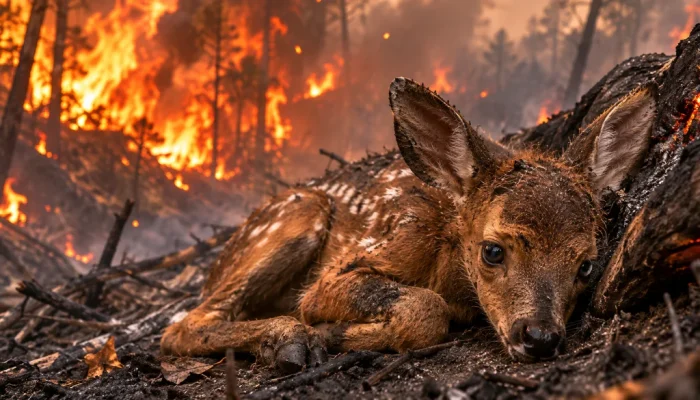
When fires burn too frequently or at extremely high temperatures, they can kill mature trees that would normally survive lower-intensity burns, and they can destroy seeds and young plants before they have a chance to grow. Wildlife that depends on forest cover, such as birds, deer, and small mammals, may lose habitat and food sources, which can reduce population numbers and disrupt entire food webs. In some cases, species that are already threatened face even greater risks after repeated large fires.
The damage does not stop when the flames are extinguished, because burned landscapes are more vulnerable to erosion and flooding. Without trees and vegetation to hold soil in place, heavy rains can wash ash and sediment into rivers and reservoirs, contaminating drinking water supplies and harming fish populations. Watersheds that once provided clean water to cities and farms can become clogged with debris, which leads to expensive cleanup efforts and long-term ecological damage.
Wildfires also release large amounts of carbon dioxide and other greenhouse gases into the atmosphere, which contribute to climate change and create a feedback loop in which warmer temperatures make future fires more likely. This means that fires do not only respond to climate conditions, but they also help shape them, especially when large areas burn repeatedly over short periods of time. The combined ecological effects of habitat loss, soil damage, water contamination, and carbon emissions show that wildfire is not just a temporary crisis but a long-term environmental challenge.
.
What the Science Reveals About Human Ignition
A major turning point in understanding wildfire ignition came with a landmark study published in 2017 in the Proceedings of the National Academy of Sciences, often referred to as PNAS. The study, led by researcher Jennifer K. Balch and her colleagues, analyzed an enormous dataset of 1.6 million wildfires that occurred across the United States between 1992 and 2012. By examining detailed records of fire causes, locations, and timing, the researchers were able to determine how often humans were responsible for starting fires compared to natural causes such as lightning.
The findings were striking and difficult to ignore, because the study concluded that humans caused 84 percent of all wildfires during the period examined. This means that nearly five out of every six fires were sparked by human activity rather than by natural events. Even more surprising was the discovery that human ignitions nearly tripled the length of the wildfire season, since people start fires during times of the year when lightning is rare, such as early spring and late fall.
Lightning-caused fires tend to cluster in certain regions and during specific months, often in the summer when thunderstorms are more common. Human-caused ignitions, however, occur across a much wider range of locations and times, which means that fire activity is spread out over more days and more landscapes. This extended season places additional strain on firefighting resources and increases the likelihood that a small spark will turn into a large and destructive blaze under the right weather conditions.
The study also showed that human-started fires are especially common in areas where people live and work, including the wildland-urban interface, which is the zone where homes and communities meet forests and grasslands. As more Americans move into these areas for scenic views and outdoor recreation, the opportunities for accidental ignition increase, and the consequences become more severe because fires are more likely to threaten lives and property.
.
How Everyday Actions Start Major Fires
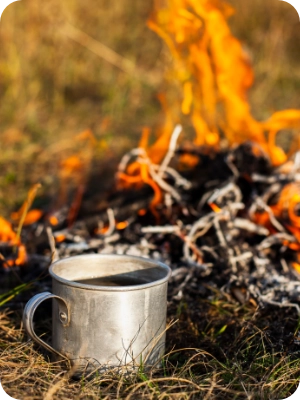
Many people imagine that wildfires begin with dramatic events, such as a bolt of lightning striking a tree during a powerful storm, yet in reality, countless fires begin with simple and preventable actions. A cigarette tossed onto dry grass along a highway can smolder for minutes before bursting into flame, especially on a hot and windy day. An unattended campfire left glowing overnight can send sparks into nearby brush, which may ignite long after campers have left the area.
Equipment used in farming, construction, and yard work can also create sparks when metal parts strike rocks or when engines overheat in dry conditions. Power lines that sag or break during high winds can produce electrical sparks that ignite surrounding vegetation, and fireworks set off during dry summer celebrations can easily land in fields or forests where they start new fires. Even vehicles parked on dry grass can ignite vegetation if hot exhaust systems come into contact with flammable material.
Each of these actions may seem small or harmless on its own, yet under the right conditions, they can trigger fires that burn thousands of acres and threaten entire communities. The problem is not only that people start fires, but also that many do not realize how quickly a small flame can spread when fuels are dry and winds are strong. When temperatures are high and humidity is low, vegetation can ignite almost instantly, and once a fire grows beyond a certain size, it becomes extremely difficult to control.
The fact that most ignitions are human-caused suggests that changing behavior could significantly reduce wildfire numbers, yet this requires awareness, education, and sometimes stricter enforcement of fire safety rules. Without a clear understanding of the connection between daily actions and large-scale disasters, it is easy for individuals to underestimate their role in wildfire risk.
.
Climate Change as an Enabler, Not the Only Cause
It is important to recognize that climate change has played a real and measurable role in increasing wildfire activity, because rising temperatures and prolonged droughts have created conditions in which vegetation dries out earlier in the year and remains flammable for longer periods. Snowpack in many western states melts earlier in the spring, which extends the dry season and increases the window of time during which fires can ignite and spread.
However, while climate change sets the stage by creating hotter and drier landscapes, it does not light the match in most cases. The distinction between enabling conditions and direct ignition is crucial, because it shapes how we think about solutions. If we assume that wildfires are mainly natural or climate-driven events, we may overlook the importance of human behavior and policy changes that could reduce ignition rates.
Human-caused wildfires fill in the gaps between lightning seasons, meaning that even if climate conditions remained the same, people would still be responsible for starting most fires. When climate change and human ignition combine, the result is a longer and more intense fire season that stretches across multiple regions and months. This combination creates a situation in which firefighting agencies must remain on high alert for much of the year, and communities face repeated threats from smoke and evacuation.
Recognizing the dual role of climate and human ignition allows for a more balanced and realistic understanding of wildfire risk. Climate mitigation efforts are essential for long-term stability, but immediate reductions in wildfire numbers could come from addressing human behavior and infrastructure issues that lead to ignition.