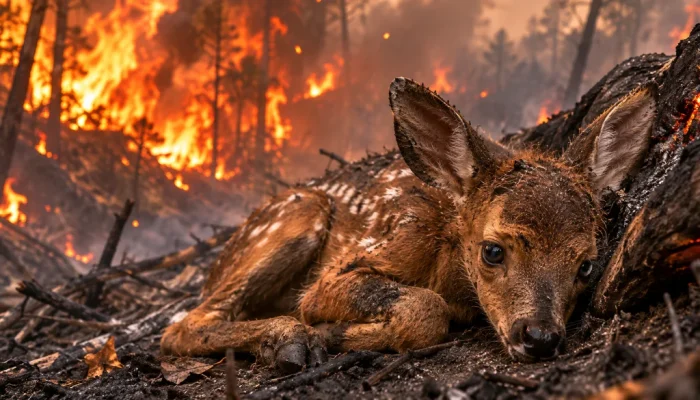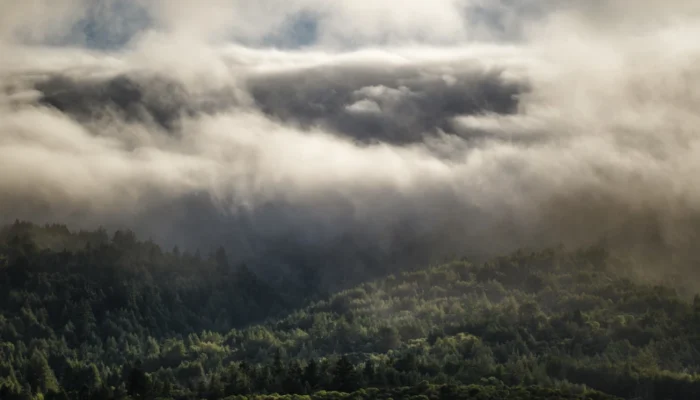
In recent years, scientists, firefighters, and climate experts have spent more time studying the connection between extreme weather events and destructive wildfires because the relationship between climate and fire is becoming more dangerous every year. One of the most important weather systems involved in this growing problem is Atmospheric Rivers, which are long and narrow bands of moisture in the atmosphere that can carry huge amounts of water vapor across oceans and into land areas. Although these weather systems are often associated with heavy rainfall, flooding, and winter storms, researchers are discovering that they also play a major role in shaping wildfire seasons in ways that many people do not fully understand.
Wildfires are no longer viewed as isolated natural disasters because they are now closely connected to changing weather patterns, rising temperatures, drought conditions, and shifting ecosystems across the world. While rain from atmospheric rivers may temporarily reduce wildfire danger by soaking forests and vegetation, these same storms can also create future wildfire risks because they help plants and grasses grow rapidly, which later become dry fuel during hot summers and drought periods. This complicated cycle shows how deeply connected weather systems and wildfire behavior truly are.
Understanding the science behind wildfire activity is becoming increasingly important as climate change continues to reshape the environment, especially in regions that already face long dry seasons and intense heat waves. Learning how atmospheric rivers influence wildfire seasons can help communities better prepare for future disasters, improve wildfire prevention strategies, and build safer cities and forests that are more resistant to extreme fire events.
Table of Contents
ToggleWhat Are Atmospheric Rivers?
Understanding the Science Behind Atmospheric Rivers
Atmospheric rivers are massive streams of moisture that move through the atmosphere like invisible rivers in the sky, carrying enormous amounts of water vapor from tropical oceans toward land. These systems can stretch for thousands of miles while remaining relatively narrow compared to other weather patterns, and they are capable of transporting more water than some of the largest rivers on Earth. When atmospheric rivers reach mountain ranges or colder regions, the moisture rises, cools, and eventually falls as heavy rain or snow.
Scientists describe atmospheric rivers as an essential part of Earth’s water cycle because they help move heat and moisture around the planet, which plays a major role in balancing global climate systems. Without them, many regions would receive far less rainfall and would struggle to maintain water supplies for cities, agriculture, forests, and ecosystems. However, the strength and frequency of atmospheric rivers can vary greatly depending on ocean temperatures, wind patterns, and large-scale climate conditions.
One reason atmospheric rivers have become such an important topic in climate science is that warmer air can hold more moisture. As global temperatures continue to rise due to climate change, atmospheric rivers are becoming wetter and more intense in some parts of the world. This means that storms linked to atmospheric rivers are increasingly capable of producing severe flooding, landslides, and extreme weather events that can damage communities and natural environments.
Although atmospheric rivers are often associated with beneficial rainfall that replenishes reservoirs and snowpacks, their long-term environmental effects are much more complicated than simply bringing water to dry regions. In many wildfire-prone areas, these storms create conditions that later contribute to dangerous fire seasons, especially when wet winters are followed by long periods of heat and drought.
The Relationship Between Atmospheric Rivers and Wildfires
How Heavy Rainfall Can Reduce Immediate Fire Risk
At first glance, it may seem strange to connect heavy rainstorms with wildfires because wet conditions usually lower the chance of fires spreading. When atmospheric rivers bring large amounts of rain or snow into forests and grasslands, the moisture helps reduce fire danger by soaking vegetation, cooling temperatures, and increasing humidity levels in the environment. Wet plants and moist soil are much harder to burn, which means wildfire activity often decreases immediately after major storms.
In regions like California and the Pacific Northwest, atmospheric rivers can provide important relief after long drought periods because they refill reservoirs, restore snowpacks in mountain ranges, and improve soil moisture across large landscapes. Firefighters and emergency officials often welcome these storms because they reduce the likelihood of fast-moving fires during the winter months.
Heavy rainfall can also slow the spread of existing fires by saturating vegetation and creating barriers that flames struggle to cross. In some cases, strong winter storms linked to atmospheric rivers have helped end particularly dangerous wildfire seasons by finally bringing enough moisture to extinguish smoldering fires that survived for months in dry forests.
Despite these short-term benefits, scientists now understand that the relationship between atmospheric rivers and wildfires is much more complicated because the same rainfall that lowers fire danger during one season may increase wildfire risks during the next.
The Hidden Long-Term Effects
One of the most important ways atmospheric rivers influence wildfire seasons is through vegetation growth. After periods of heavy rainfall, forests, grasslands, and shrub-covered landscapes often experience rapid plant growth because water becomes widely available across the environment. Grasses grow taller, shrubs spread quickly, and forests become denser with new vegetation.
While this growth may appear healthy and beneficial, it can eventually become dangerous once temperatures rise and dry weather returns. During hot summers, much of the new vegetation dries out and turns into highly flammable fuel that can help fires spread rapidly across landscapes. This means that a wet winter caused by atmospheric rivers can unintentionally create the conditions for severe wildfire activity months later.
This connection between vegetation and wildfire behavior is explored further in the article Forest Means Fuel: Understanding Wildfires, which explains how fuel size, shape, quantity, arrangement, moisture content, and vegetation type all influence the way fires spread and intensify. The article also discusses the importance of active fuel management strategies that help reduce wildfire risks before fire seasons become extreme.
Scientists sometimes refer to this pattern as the “wet-to-dry cycle,” which describes how periods of heavy rainfall followed by intense heat can increase wildfire risks instead of reducing them permanently. In regions already experiencing hotter summers due to climate change, this cycle has become more dangerous because vegetation dries out faster and fire seasons last longer than they once did.
Grasslands are especially sensitive to this process because grasses grow rapidly after rainfall but lose moisture quickly during heat waves. Once dry, these grasses can ignite easily and allow fires to spread at extremely high speeds across open areas. Shrubs and forests can also become more vulnerable when extra plant growth adds additional layers of combustible material to the landscape.
The Wet-to-Dry Cycle
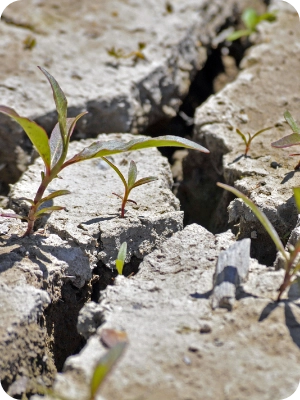
The wet-to-dry cycle has become one of the most important concepts in modern wildfire science because it explains how different weather conditions interact over time instead of acting independently. A single atmospheric river event may not directly cause a wildfire, but it can contribute to a chain of environmental changes that eventually lead to severe fire conditions months later.
For example, a region may experience an unusually wet winter due to repeated atmospheric river storms, which leads to widespread plant growth throughout spring. During summer, high temperatures and drought conditions dry out the vegetation, creating a landscape filled with fuel that can ignite easily from lightning strikes, power line failures, campfires, or human activity. Once fires begin, dry vegetation helps flames spread rapidly and increases the intensity of the wildfire.
Climate change is making this cycle even more extreme because rising temperatures are increasing evaporation rates and extending dry seasons in many wildfire-prone areas. This means that vegetation produced during wet winters may become dangerously dry much earlier in the year, creating longer and more destructive wildfire seasons.
Researchers are continuing to study how atmospheric rivers influence long-term wildfire behavior because understanding these patterns can improve seasonal fire predictions and help communities better prepare for future disasters.
Climate Change and Intensifying Atmospheric Rivers
Why Atmospheric Rivers Are Becoming More Powerful
Climate scientists believe atmospheric rivers are becoming more intense because warmer oceans and rising global temperatures allow the atmosphere to hold greater amounts of water vapor. Since atmospheric rivers transport moisture through the atmosphere, increased water vapor means these systems can produce stronger storms and heavier rainfall events than they did in the past.
As ocean temperatures rise, evaporation increases, adding more moisture to the atmosphere and strengthening atmospheric river systems. This creates a dangerous situation where storms may become more destructive while also increasing long-term wildfire risks through the wet-to-dry cycle.
Some climate models suggest that future atmospheric rivers may become both wetter and less predictable, which could create larger swings between flooding and drought conditions in wildfire-prone regions. Instead of experiencing balanced seasonal weather, many areas may face periods of extreme rainfall followed by months of unusually dry and hot conditions.
This instability creates serious challenges for forests, ecosystems, and communities because environments struggle to adapt to rapid changes in moisture and temperature levels.
The Climate-Wildfire Connection
The connection between climate change and wildfire activity is becoming increasingly clear as researchers observe longer fire seasons, larger burned areas, and more intense wildfires across many parts of the world. Rising temperatures dry out vegetation more quickly, reduce snowpack levels, and create conditions where fires can ignite and spread more easily.
Atmospheric rivers are now part of this larger climate story because they influence the amount and timing of moisture entering wildfire-prone ecosystems. While increased rainfall may temporarily reduce drought conditions, it can also create future fire fuel if vegetation grows rapidly and later dries out under extreme heat.
In some regions, climate change is causing more severe drought periods between storms, which increases stress on forests and weakens trees through dehydration and insect infestations. Dead and weakened trees become additional fuel during wildfire seasons, allowing fires to burn hotter and spread farther than before.
Readers interested in learning more about the broader relationship between climate change and wildfire activity can explore the article Climate Change Wildfires: Understanding the Growing Threat, which examines how rising temperatures, drought conditions, and changing weather patterns are contributing to more frequent and destructive wildfire events around the world.
The growing interaction between atmospheric rivers, drought, heat waves, and wildfire activity shows that climate systems are deeply interconnected. Understanding these connections is essential for improving wildfire prevention strategies and protecting communities from future disasters.
Atmospheric Rivers and Regional Wildfire Patterns
California as a Key Example
California provides one of the clearest examples of how atmospheric rivers influence wildfire seasons because the state regularly experiences cycles of intense winter rainfall followed by long dry summers. Atmospheric rivers supply a large percentage of California’s annual precipitation, especially during winter months when storms move inland from the Pacific Ocean.
After wet winters, hillsides and grasslands across California often become covered with dense vegetation growth. However, by late summer and early autumn, much of this vegetation dries out under extreme heat and low humidity conditions. Combined with strong seasonal winds, these dry landscapes create ideal conditions for fast-moving wildfires.
Several severe wildfire seasons in California have followed unusually wet winters, which demonstrates how rainfall patterns can contribute to future fire risks instead of simply reducing them. Scientists continue studying these patterns to better understand how weather cycles influence fire behavior across the state.
Impacts Beyond California
Although California receives significant attention due to its destructive wildfire seasons, atmospheric rivers affect many other regions around the world. The Pacific Northwest, parts of South America, Australia, and Mediterranean climate regions also experience interactions between heavy rainfall, vegetation growth, and wildfire activity.
Australia has faced particularly severe wildfire events in recent years, with climate scientists observing how alternating periods of drought and intense rainfall influence vegetation and fire behavior across large landscapes. Mediterranean regions in Europe are also becoming more vulnerable to extreme wildfires as climate change increases temperatures and alters rainfall patterns.
The growing global impact of wildfire activity shows that understanding atmospheric rivers is not only important for one country or region, because these weather systems are part of a larger climate network affecting ecosystems around the world.
Scientific Tools Used to Study Atmospheric Rivers and Wildfires
Satellite Monitoring and Weather Modeling
Modern scientists rely heavily on satellite technology and advanced weather models to study atmospheric rivers and predict wildfire conditions. Satellites allow researchers to track moisture movement across oceans and monitor how storms develop before reaching land.
These technologies provide important information about rainfall intensity, wind patterns, temperature changes, and vegetation conditions across large areas. By studying these patterns, scientists can better understand how atmospheric rivers influence ecosystems and wildfire risks over time.
Weather models also help researchers predict how future climate conditions may affect atmospheric rivers and wildfire seasons. Although forecasting remains difficult because climate systems are highly complex, scientific tools continue to improve every year.
Fire Risk Forecasting
Fire risk forecasting has become increasingly important as wildfire seasons grow longer and more destructive. Scientists use vegetation moisture measurements, drought monitoring systems, and climate data to estimate how vulnerable landscapes may become during future fire seasons.
These forecasting systems help emergency officials prepare resources, plan evacuations, and warn communities about elevated fire risks before disasters occur. In some regions, seasonal wildfire outlooks are now influenced by previous atmospheric river activity because researchers understand that wet winters can contribute to dangerous fuel growth later in the year.
As technology improves, scientists hope forecasting tools will become even more accurate and help communities better prepare for future wildfire threats.
Wildfire Prevention in a Changing Climate
Reducing Fuel Loads
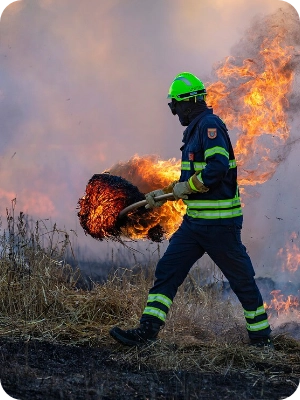
Reducing fuel loads has become one of the most important wildfire prevention strategies because excessive vegetation allows fires to spread rapidly and burn with greater intensity. Fuel loads include dry grasses, dead trees, fallen branches, shrubs, and dense undergrowth that accumulate across forests and landscapes over time.
Controlled burns are often used to safely remove excess vegetation before wildfire season begins. During these planned fires, trained professionals intentionally burn selected areas under controlled conditions to reduce the amount of flammable material available during future wildfires. Although controlled burns may appear dangerous, they can help prevent much larger and more destructive fires later.
Forest thinning projects are also becoming more common because overcrowded forests allow fires to move quickly between trees. Removing dead vegetation and reducing forest density can slow wildfire spread and improve forest health.
Readers who want to understand how different forms of vegetation influence wildfire behavior can explore the article Wildfire Fuel and Fire Behavior, which explains how grasses, shrubs, forests, and dead plant material contribute differently to fire intensity and spread.
As atmospheric rivers continue influencing vegetation growth through increased rainfall, fuel management will become even more important in wildfire-prone regions.
Community Preparedness and Wildfire-Resilient Design
Communities are beginning to redesign cities and neighborhoods to better survive wildfire events because traditional infrastructure is often not prepared for the growing intensity of modern fires. Fire-resistant building materials, safer urban planning, and improved emergency systems are becoming essential parts of wildfire preparedness strategies.
Homes built with fire-resistant roofs, windows, and exterior materials are less likely to ignite during wildfire events. Creating defensible spaces around homes by removing dry vegetation and maintaining open areas can also reduce fire risks significantly.
Urban planners are increasingly designing communities with wider evacuation routes, emergency access roads, and green buffer zones that help slow wildfire spread near populated areas. These changes are especially important as climate change increases the frequency and intensity of wildfire seasons.
The article How Cities Can Redesign to Survive Megafires provides additional insight into how urban planning, fire-resistant architecture, and smarter emergency infrastructure can help communities adapt to growing wildfire threats in the future.
Community education is another major part of preparedness because public awareness can save lives during emergencies. Teaching residents how to prepare evacuation plans, reduce fire hazards around homes, and respond during wildfire events helps communities become more resilient in the face of future disasters.
How Drones and Sensors Spot Fires Before They Go Wild
New technology is changing the way firefighters detect and respond to wildfires because drones, sensors, and automated monitoring systems can identify fires much earlier than traditional methods. Early detection is extremely important because small fires are far easier to control before they spread across large areas.
Drones equipped with thermal imaging cameras can fly over forests and identify heat sources that may indicate developing fires. Remote sensors placed throughout forests can monitor temperature, humidity, smoke levels, and wind conditions in real time.
These technologies allow emergency officials to receive alerts almost immediately when dangerous conditions appear, which improves response times and increases the chances of containing fires before they become massive disasters.
Readers interested in learning more about emerging wildfire detection technology can read the article Can Drones and Sensors Spot Fires Before They Go Wild?, which explores how modern monitoring systems are helping firefighters respond faster and more effectively.
As wildfire seasons continue growing longer and more unpredictable, technology will likely play an even larger role in protecting forests, ecosystems, and communities from future fire threats.

Conclusion
The relationship between atmospheric rivers and wildfires shows how deeply connected Earth’s climate systems truly are because weather events that bring life-saving rainfall can also contribute to future wildfire disasters under the right conditions. While atmospheric rivers help reduce short-term fire risks by increasing moisture levels and replenishing water supplies, they can also create large amounts of vegetation that later become dangerous fuel during hot and dry seasons.
As climate change intensifies extreme weather, understanding these environmental connections will become increasingly important for scientists, firefighters, city planners, and communities worldwide. Wildfires are no longer isolated natural events because they are now influenced by complex interactions between rainfall patterns, drought conditions, rising temperatures, vegetation growth, and changing climate systems.
Improving wildfire prevention will require a combination of scientific research, fuel management, stronger community preparedness, advanced technology, and long-term climate awareness. By learning more about how atmospheric rivers influence wildfire seasons, people can better understand the challenges facing modern ecosystems and support efforts to build safer and more resilient communities for the future.