
.
The Rising Tide of Wildfire Smoke
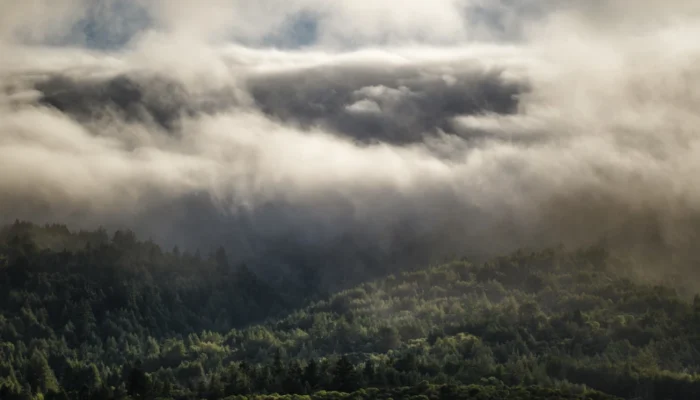
Wildfires have always been a part of the natural landscape in many parts of the United States, especially in the western regions where dry conditions and flammable vegetation create perfect conditions for burning. However, in the last few decades, something has changed. The fires are no longer seasonal events that come and go quietly—they have become larger, more frequent, and more destructive. Scientists say that this trend is not a coincidence. Climate change, caused by the buildup of greenhouse gases in the atmosphere, has created hotter, drier, and windier conditions that fuel wildfires and make them harder to control.
Rising temperatures have dried out forests and grasslands, turning them into massive reserves of fuel waiting to ignite. When droughts strike or lightning flashes during a summer storm, it takes only a small spark to set off a blaze that can spread uncontrollably. The result is a dramatic increase in the number of days when smoke fills the sky. Even cities far away from the fires are affected, as the wind carries the smoke across the country. In 2023, for example, smoke from Canadian wildfires turned the skies over New York City and Washington, D.C. a deep orange, forcing millions of people to wear masks outdoors. Similar events have happened across the Midwest and even the East Coast, showing that wildfire smoke is no longer a local problem—it is a national one.
For readers who want to understand more about how global warming is intensifying these fire conditions and changing natural ecosystems, the article Climate Change Wildfires: Understanding the Growing Threat offers a helpful overview of how climate change is driving longer fire seasons and worsening air quality around the world.
Scientists have found that smoke exposure days in the U.S. have doubled in many regions over the past two decades. Even people living thousands of miles away from fire-prone areas are breathing air filled with tiny particles that come from burning wood, vegetation, and man-made materials. This shift means that wildfire smoke is now one of the most widespread forms of air pollution in the country, and it is growing worse each year.
.
What’s in the Smoke: A Toxic Mix

When people see a smoky sky, they might think of it as just dust or ash floating in the air. But wildfire smoke is actually a complex mixture of gases and microscopic particles, many of which are harmful to human health. Among the most dangerous are fine particulate matter, known as PM2.5, which refers to particles that are smaller than 2.5 micrometers in diameter—so small that they can easily enter the lungs and even pass into the bloodstream.
These particles come from burning organic material such as trees, plants, and building materials, and they can remain suspended in the air for days. Because they are so small, PM2.5 particles can travel deep into the lungs, where the body has no effective way to filter them out. Once inside, they can cause inflammation, reduce lung function, and trigger a range of health problems that may last long after the smoke clears.
Health experts have long known that PM2.5 is linked to respiratory illnesses like asthma, bronchitis, and chronic obstructive pulmonary disease (COPD). But recent studies have shown that it also affects the heart and blood vessels, increasing the risk of heart attacks, strokes, and premature death. What makes wildfire smoke particularly dangerous is that it contains not just natural organic particles but also toxic chemicals released when man-made materials—such as plastics, metals, and treated wood—burn in homes and vehicles.
The NPR article on wildfire smoke emphasizes that these health impacts are not evenly distributed across the population. Certain groups, including the elderly, children, pregnant women, and people with pre-existing health conditions, are much more vulnerable. Children breathe faster and take in more air relative to their body weight, which means they inhale more pollutants during smoky days. Older adults and those with heart or lung conditions are also at higher risk of serious complications. Moreover, people in lower-income communities often lack access to clean indoor air, medical care, or the ability to relocate when the air becomes hazardous, which makes them more likely to suffer the long-term effects of smoke exposure.
.
Quantifying the Death Toll
The new study, titled Wildfire smoke exposure and mortality burden in the US under climate change, provides the most comprehensive estimate yet of how deadly wildfire smoke has become in the United States—and how much worse it may get in the future. Using advanced statistical and machine learning models, the researchers linked climate data, wildfire activity, and mortality records to measure how smoke-related air pollution affects death rates across the country.
Their findings are both alarming and sobering. According to the study, fine particulate matter from wildfire smoke currently contributes to tens of thousands of excess deaths in the United States each year. But under a high-warming scenario, where greenhouse gas emissions continue to rise at current rates, the number of smoke-related deaths could increase dramatically. The researchers project that by the year 2050, wildfire smoke could cause 71,420 excess deaths per year, with a 95% confidence range between 34,930 and 98,430 deaths. This represents a 73% increase compared to the estimated annual deaths from 2011 to 2020.
Over a thirty-year period between 2026 and 2055, the cumulative death toll could reach 1.9 million people—a staggering number that highlights the scale of the public health crisis posed by wildfire smoke. Even more concerning, the study found evidence that the health effects of smoke exposure can last for years. People exposed to high levels of smoke PM2.5 may face increased risks of premature death for up to three years after the exposure event, suggesting that the health consequences extend far beyond the immediate smoke season.
When researchers calculated the economic costs associated with these deaths, the numbers were equally shocking. The study estimates that the economic damages caused by climate-driven smoke-related deaths exceed those from all other climate-related damages combined in the United States. In other words, the health impact of wildfire smoke could be the single most costly consequence of climate change for Americans.
These findings challenge the common perception that the biggest dangers of climate change come from visible disasters such as hurricanes, floods, and wildfires themselves. While those events are certainly destructive, the silent and invisible effects of smoke pollution may ultimately kill far more people and cost far more money.
.
Human Faces Behind the Statistics

Behind every number in these studies is a human story. For people living in smoke-prone regions, the effects of wildfire smoke are not an abstract problem—they are a daily reality. In many western states, residents have grown used to weeks of poor air quality each summer, when the air turns gray and the smell of burning wood seeps into homes. Parents keep their children indoors, schools cancel outdoor activities, and people line up at stores to buy air filters and masks. But for some, even these precautions are not enough.
Health workers in California and Oregon have reported increases in emergency room visits during heavy smoke events, particularly for respiratory and cardiovascular problems. Many patients are elderly or have chronic conditions that make them more vulnerable. Some never recover fully. The NPR reporting included stories of individuals who developed long-term respiratory issues after repeated smoke exposure, even though they lived hundreds of miles from the nearest wildfire. One woman from Montana described how her asthma worsened so severely during the 2020 fire season that she had to move to another state. Others, particularly farm workers and outdoor laborers, have no choice but to work outside in hazardous conditions, breathing air that can be as toxic as smoking several packs of cigarettes a day.
The impacts also fall unevenly across communities. Wealthier individuals can often protect themselves by staying indoors, using high-quality air filters, or temporarily relocating to areas with cleaner air. But for low-income families, people experiencing homelessness, and those who work outdoors, these options are out of reach. This has led to what many experts describe as an environmental justice crisis, where marginalized populations bear the greatest burden of exposure.
As the smoke spreads farther across the country, it is becoming clear that no one is completely safe. The days when wildfire smoke was seen as a problem only for the western United States are long gone. Air quality monitors have recorded dangerous levels of PM2.5 in places as far away as the East Coast, and these events are expected to become more frequent in the years ahead. The line between “fire season” and “smoke season” is disappearing, leaving many Americans living in a constant haze of pollution.
.
Policy Gaps and Public Health Response
Despite the growing evidence that wildfire smoke is a major threat to public health, the United States has been slow to respond. There are major policy gaps when it comes to protecting people from smoke exposure. While agencies like the Environmental Protection Agency (EPA) issue air quality alerts and monitor pollution levels, there is still no comprehensive national plan for addressing smoke-related health risks.
Current air quality standards are designed to measure daily and annual averages of particulate matter, but they often fail to capture the short-term spikes that occur during wildfire events. As a result, people may be exposed to dangerous levels of smoke for days without sufficient warnings or protective measures. Local and state governments have developed some strategies, such as creating “clean air shelters” and distributing air purifiers, but these programs are often limited in scope and funding.
Experts argue that a stronger, more coordinated response is needed. This would include improving wildfire management to reduce the frequency and intensity of fires, such as through controlled burns and better forest maintenance. It would also mean strengthening public health systems to prepare for smoke events, ensuring that hospitals, schools, and workplaces have access to clean indoor air. Some researchers suggest integrating wildfire smoke into climate change policy more directly, recognizing that the health effects of smoke are one of the most significant and costly aspects of a warming world.
Education is another crucial piece of the puzzle. Many people still underestimate the dangers of wildfire smoke, thinking of it as just “bad air” rather than a serious health hazard. Public awareness campaigns could help people understand how to protect themselves, such as by using air purifiers, sealing windows, and avoiding outdoor activities during smoke events. On a broader scale, reducing greenhouse gas emissions remains the most important long-term strategy for limiting wildfire smoke, since climate change is the ultimate driver of the growing fire crisis.
.
The Cost of Inaction
The study’s findings make it clear that failing to act will come at an enormous cost. The projected 1.9 million smoke-related deaths between 2026 and 2055 are not just tragic human losses—they represent a massive economic and social burden. Each premature death carries costs in terms of medical care, lost productivity, and emotional suffering for families and communities. When researchers monetized these effects, they found that the total damages exceed those from all other climate-related causes in the United States combined, including heat waves, floods, and hurricanes.
These figures highlight an uncomfortable truth: the most deadly effects of climate change are often not the most visible ones. While dramatic disasters capture headlines, the slow and silent toll of polluted air kills quietly and relentlessly. The deaths caused by wildfire smoke are spread across time and space, making them harder to notice and easier to ignore. But the science is clear that unless significant steps are taken to curb emissions and protect public health, this invisible killer will claim more and more lives in the decades ahead.
.
Conclusion: Clearing the Air
Wildfire smoke is no longer just a symptom of the fire itself – it has become a major public health crisis that affects millions of Americans each year. The latest research shows that this problem is growing rapidly, driven by a changing climate and decades of inadequate policy. The numbers are staggering: tens of thousands of deaths each year now, and potentially over seventy thousand per year by mid-century if current trends continue. Yet beyond the numbers are real people, families, workers, and communities struggling to breathe under skies filled with toxic haze.
It is easy to think of wildfire smoke as something temporary, a problem that will go away once the fires burn out or the winds shift. But in truth, the effects of smoke linger long after the last flame is extinguished. They persist in the lungs, in the heart, and even in the economy, leaving behind invisible scars that accumulate over time. Addressing this crisis will require not just emergency responses but a transformation in how the country thinks about climate change, air quality, and public health. Stronger air quality standards, better wildfire management, and urgent climate action are all essential steps toward protecting the health of current and future generations.
As the skies grow hazier and the seasons of smoke grow longer, Americans are being forced to confront a new reality—one in which the most dangerous threat is not the fire we see, but the air we breathe. The hidden killer of wildfire smoke is already here, and unless we act decisively, it will continue to claim lives silently, year after year. The challenge ahead is to clear the air—not just literally, but also in our understanding of what it means to live in a world reshaped by fire and climate change.