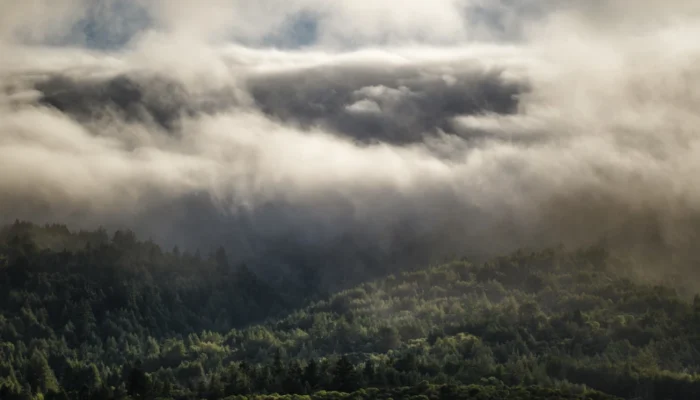
What Happens To Wild Animals During A Wildfire

What Happens To Wild Animals During A Wildfire?

Wildfires are among the most powerful natural events on Earth, capable of transforming entire landscapes in a matter of hours or days. Every year, millions of acres of forests, grasslands, and other natural habitats are affected by fires that can spread rapidly under the right weather conditions. While people often focus on the damage wildfires cause to homes, communities, and infrastructure, many also wonder what happens to Wild Animals During A Wildfire. The answer is more complex than many people realize because different species respond to fire in different ways depending on their size, mobility, habitat, and natural instincts.

Wildlife has lived alongside fire for thousands of years, and many species have developed strategies that help them survive these dangerous events. Some animals flee before the flames arrive, while others hide underground or seek refuge in water. However, survival during the fire is only part of the challenge. After the flames are gone, animals must cope with damaged habitats, reduced food supplies, and increased competition for resources. Understanding how wildlife responds to wildfires can help people appreciate the resilience of nature while also recognizing the importance of conservation and wildfire prevention efforts.

How Animals Detect Approaching Wildfires

One of the most remarkable aspects of wildlife behavior is the ability of animals to detect danger before humans are even aware of it. Many animals possess highly developed senses that allow them to notice changes in their environment long before a wildfire becomes visible.

The smell of smoke is often the first warning sign. Mammals such as deer, bears, and coyotes have powerful senses of smell that help them detect smoke from long distances. As smoke begins to drift through an area, these animals may start moving away from the source of danger even before flames become visible. Birds are also sensitive to environmental changes and may leave an area when smoke levels increase or when air currents begin to shift because of an approaching fire.

Some animals are believed to sense vibrations caused by fire activity. As trees crack, branches fall, and flames move through vegetation, the resulting vibrations can travel through the ground and alert nearby wildlife. Reptiles and certain mammals may use these signals to recognize danger and begin seeking shelter.

Animals also respond to changes in temperature, humidity, and air quality. Wildfires often create unique weather conditions that can alter the environment before the fire itself arrives. Wildlife that has evolved in fire-prone regions may recognize these changes as indicators that they need to move to safety.

Scientists have observed unusual animal movements before major wildfires, including large groups of animals suddenly leaving an area. While researchers continue studying exactly how wildlife detects fires, it is clear that many species possess natural warning systems that improve their chances of survival.

Survival Strategies of Wild Animals During A Wildfire

When a wildfire approaches, animals use a variety of survival strategies depending on their species and the habitat they occupy. These strategies have developed over many generations and demonstrate the remarkable adaptability of wildlife.

Large mammals often rely on speed and mobility. Deer, elk, moose, and similar animals typically run away from approaching flames and seek refuge in areas that have already burned or locations where vegetation is sparse. Because fire requires fuel to spread, animals may move into open fields, rocky areas, or recently burned sections of land where the risk is lower.

Predators such as wolves, mountain lions, and coyotes also tend to flee from active fire zones. These animals are highly mobile and can travel long distances when necessary. Although they may survive the fire itself, they often face challenges afterward because their hunting grounds may have been damaged.

Birds possess one of the most effective wildfire survival tools: flight. Many bird species simply fly away when they detect danger. Large birds can travel significant distances to escape smoke and flames. However, not all birds have the same advantage. Nesting birds, particularly those caring for eggs or young chicks, may face greater risks because they cannot always abandon their nests in time.

Small mammals often rely on shelter rather than escape. Rabbits, mice, ground squirrels, and other burrowing animals frequently retreat underground where temperatures remain cooler and smoke exposure may be reduced. Burrows can provide valuable protection from heat and flames, especially during fast-moving surface fires.

Reptiles and amphibians use similar strategies. Turtles may seek refuge in ponds or wetlands, while snakes and lizards often hide in underground crevices or burrows. Frogs and salamanders may survive by remaining in moist environments where fire is less likely to reach them directly.

Aquatic animals face different circumstances. Fish generally survive wildfires because they live underwater, but they are not completely protected from the effects of fire. Ash, sediment, and debris can enter waterways after a wildfire, reducing water quality and affecting aquatic ecosystems. Even so, many aquatic species can survive the immediate threat posed by flames.

The behavior of Wild Animals During A Wildfire highlights the incredible range of survival strategies found throughout nature. Each species relies on different adaptations, but the common goal is always the same: finding safety until the danger has passed.

Which Animals Are Most Vulnerable?

What Happens To Wild Animals During A Wildfire - koala
Young koalas, can scramble up trees to escape danger, but their small size and inexperience often trap them there, unable to come down or flee further.

Although many animals possess effective survival strategies, not all wildlife has the same chance of escaping a wildfire. Certain species and age groups face greater risks because of physical limitations or environmental circumstances.

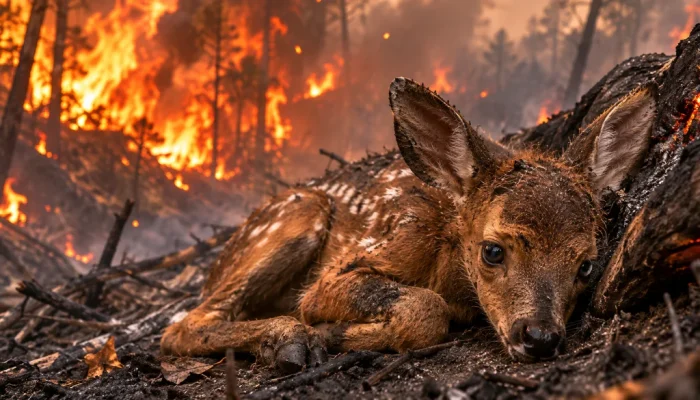
Young animals are among the most vulnerable. Fawns, bear cubs, baby rabbits, and young birds often lack the speed, strength, or experience needed to escape quickly. If their parents are forced to flee, young animals may become separated and struggle to survive on their own.

Injured animals also face significant challenges. Wildlife that is already weakened by illness, injury, or old age may be unable to move quickly enough to avoid danger. For these animals, even a relatively small fire can become life-threatening.

Slow-moving species often experience greater risks than animals capable of rapid escape. Tortoises, some amphibians, and certain reptiles may have difficulty reaching safe areas before flames arrive. While some can seek shelter underground or in water, others may become trapped by fast-moving fires.

Animals that depend on specific habitats can be especially vulnerable. Species that live only within limited geographic areas may have nowhere else to go if their habitat is destroyed. This problem becomes even more serious for endangered species, which often have smaller populations and fewer available habitats.

Wildfires can also affect animals indirectly. Even if they survive the flames, they may lose access to food, shelter, nesting sites, or water sources. A wildfire that destroys a large portion of a habitat can create long-term challenges that continue for months or even years after the fire is extinguished.

Climate change may increase these risks in some regions by contributing to hotter and drier conditions that can make wildfires larger and more intense. As wildfire seasons become longer in certain parts of the world, vulnerable wildlife populations may face increasing pressure.

What Happens After the Fire?
Myth 4 – Wildfires Are Always Bad for Nature
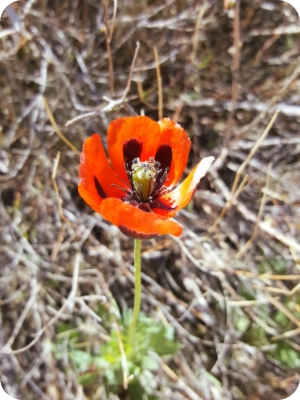
Despite challenges, nature shows remarkable resilience. Many fire-adapted ecosystems recover quickly, with new growth appearing within weeks or months.

The end of a wildfire does not mean the end of the challenges faced by wildlife. In many ways, the recovery period can be just as difficult as the fire itself because animals must adapt to a dramatically changed environment.

One of the first challenges involves finding food. Fires often destroy plants, seeds, fruits, and other food sources that animals depend upon. Herbivores may struggle to find enough vegetation, while predators may find that prey animals have moved elsewhere. Competition for available resources can increase significantly in the weeks following a fire.

Shelter is another major concern. Trees, shrubs, and ground cover that once provided protection may be gone. Animals that survive the fire may find themselves exposed to harsh weather conditions and predators. Birds may lose nesting sites, while mammals may lose dens and hiding places.

Water availability can also become an issue. Although some water sources survive wildfires, others may become contaminated with ash and debris. Heavy rainfall after a fire can wash sediment into streams and rivers, affecting both terrestrial and aquatic wildlife.

Predation patterns sometimes change after wildfires because the landscape becomes more open. Without dense vegetation for cover, prey animals may become easier targets for predators. At the same time, predators may need to travel farther to find food.

Despite these challenges, nature often demonstrates remarkable resilience. Many ecosystems have evolved alongside periodic fires and possess natural recovery mechanisms. New plant growth frequently begins within weeks or months after a wildfire, particularly in regions where fire is a natural part of the ecosystem.

Fresh vegetation can attract herbivores, which in turn attract predators. Over time, wildlife populations begin to return and reestablish themselves. The recovery process may take months, years, or even decades depending on the severity of the fire and the characteristics of the ecosystem.

Scientists have observed numerous examples of wildlife returning to burned landscapes sooner than expected. While the immediate aftermath may appear bleak, ecosystems often contain hidden strengths that support long-term recovery.

One of the most striking signs of this rebirth is the appearance of wildfire‑adapted flowers, species uniquely evolved to bloom after intense heat. If you want to explore this phenomenon in depth, check out our article “Wildfire Flowers: Resilient Blooms Rising from the Ashes” — it highlights the remarkable plants that often appear after a blaze and the science behind their resilience.

How Humans and Conservation Groups Help Wildlife

Wildfires can overwhelm the natural coping abilities of some wildlife populations, especially when fires are unusually large or intense. In these situations, conservation organizations, wildlife agencies, and volunteers often play important roles in helping animals recover.

During active wildfires, wildlife rescue teams sometimes respond to reports of injured animals. Veterinarians and trained professionals provide medical treatment for burns, smoke inhalation, dehydration, and other fire-related injuries. Some animals require weeks or months of rehabilitation before they can be safely released back into the wild.

Rescue centers frequently care for orphaned young animals that have become separated from their parents during wildfires. These facilities provide food, shelter, and medical attention while preparing animals for eventual release.

After fires are extinguished, conservation groups often focus on habitat restoration. This process may involve planting native vegetation, stabilizing soil to reduce erosion, and protecting waterways from excessive sediment runoff. Restoring habitats can accelerate ecosystem recovery and improve conditions for wildlife.

Researchers also conduct wildlife monitoring programs following major fires. By tracking animal populations, scientists can better understand how species respond to fire and identify areas where additional conservation efforts may be needed. This information helps improve future wildlife management strategies.

Public support plays a significant role in these efforts. Donations, volunteer work, and community involvement can provide valuable resources for wildlife rehabilitation and habitat restoration projects. The combined efforts of conservation professionals and local communities often make a meaningful difference in the recovery process.

What Society Can Do To Help Wildlife

While emergency rescue and rehabilitation efforts are important, preventing destructive wildfires and creating healthier ecosystems may offer the greatest benefits for wildlife in the long term. Society has several tools available to reduce wildfire risks and improve outcomes for animals.

Forest Management

Effective forest management is one of the most important strategies for reducing the severity of wildfires. In many regions, forests naturally experience periodic fires that remove dead vegetation and maintain ecosystem balance. However, decades of fire suppression can allow large amounts of fuel to accumulate, increasing the risk of extremely intense fires.

Controlled burns are one method used to address this problem. These carefully managed fires reduce excess vegetation under controlled conditions, lowering the amount of fuel available during future wildfire events. When conducted properly, controlled burns can help create landscapes that are more resilient to large fires.

Thinning dense forests can also reduce wildfire intensity. Removing overcrowded trees and excess vegetation improves forest health while decreasing the likelihood that fires will spread rapidly through the canopy. Healthier forests are often better able to support wildlife before, during, and after wildfire events.

Creating firebreaks can further limit the spread of fires. These areas contain little or no vegetation and act as barriers that slow wildfire movement. Strategic planning and forest management can help protect both human communities and wildlife habitats.

Wildfire Prevention

Fire and Smoke Detection Cameras using AI

Preventing human-caused wildfires is another critical step in protecting wildlife. Many wildfires begin because of unattended campfires, discarded cigarettes, equipment sparks, or other preventable causes. Public education campaigns can help people understand how their actions affect wildfire risk.

Responsible outdoor recreation is especially important during periods of high fire danger. Following fire restrictions, properly extinguishing campfires, and avoiding activities that could create sparks can significantly reduce the likelihood of accidental ignitions.

Community preparedness also plays a valuable role. When communities understand wildfire risks and take preventive measures, fewer fires may occur and emergency responses can be more effective. Reduced wildfire activity benefits both people and wildlife.

Educational programs can help build awareness about the relationship between wildfire prevention and conservation. When individuals understand how fires affect ecosystems, they may be more likely to support responsible land management practices.

Modern wildfire prevention increasingly relies on advanced technology. Artificial intelligence now plays a crucial role in identifying high‑risk zones before flames ever appear. If you want to explore how AI models analyze weather patterns, vegetation, and historical fire data to predict future hotspots, check out our article How AI Predicts the Next Wildfire Hotspot.

New Policies and Long-Term Solutions

Government policies can influence wildfire management on a large scale. Investments in forest restoration, wildfire prevention programs, and habitat conservation can help create healthier ecosystems that are better prepared for future fires.

Protecting critical wildlife habitats should remain a priority. Conserved landscapes often provide important refuge areas where animals can survive and recover following wildfires. Maintaining habitat connectivity also allows wildlife to move more freely when escaping dangerous conditions.

Increased funding for scientific research can improve understanding of wildfire behavior and wildlife responses. Researchers continue studying how climate change, land management practices, and ecosystem conditions influence wildfire patterns. This knowledge can guide future conservation efforts.

Long-term planning is essential because wildfire management is not simply about responding to emergencies. It involves creating resilient landscapes that can withstand natural disturbances while continuing to support healthy wildlife populations. Thoughtful policies, informed decision-making, and cooperation among governments, scientists, land managers, and communities can contribute to this goal.

Conclusion

Wildfires are powerful natural events that affect countless species across forests, grasslands, and other ecosystems. Although fires can be destructive, many animals have evolved remarkable strategies that help them survive. Some detect danger early and flee, others seek shelter underground or in water, and many birds escape through flight. The story of Wild Animals During A Wildfire is ultimately one of both vulnerability and resilience.

Surviving the flames is only part of the challenge. After a wildfire, animals must adapt to damaged habitats, limited food supplies, and changing environmental conditions. Fortunately, ecosystems often recover over time, and wildlife frequently returns as vegetation regrows and habitats are restored.

Human actions can make a significant difference in this process. Wildlife rescue efforts, habitat restoration projects, responsible forest management, wildfire prevention programs, and effective public policies all contribute to healthier ecosystems and stronger wildlife populations. By understanding the experiences of Wild Animals During A Wildfire, people can gain a deeper appreciation for the challenges wildlife faces and the importance of conservation.

As wildfires continue to shape landscapes around the world, learning about their effects remains essential. The more we understand about Wild Animals During A Wildfire, the better prepared we will be to support conservation efforts, reduce unnecessary wildfire risks, and help ensure that future generations can continue to enjoy thriving and diverse natural ecosystems.

Picture of SmokeD

SmokeD

Our mission is to increase the level of safety of people and animals living in high-risk areas, which are particularly exposed to fires. By implementing our system, we protect you, your facilities, and the nature that surrounds us. We are happy to cooperate on projects that have a huge positive impact on our planet.

Share post on: