
When a wildfire races toward a neighborhood, there is often a short window of time when people can leave safely, yet again and again we see that many residents choose to stay longer than they should, even as smoke fills the air and flames appear on the hills nearby, and this dangerous delay is one of the main reasons why so many lives are lost during disasters connected to Wildfire Evacuation. On the surface, leaving seems like the obvious choice, yet real-life decisions are shaped by fear, confusion, hope, attachment, and the deep human need to feel in control, all of which can overpower logic in moments of crisis. This article explores why people wait too long to leave, what behavioral science teaches us about risk and decision making, and how communities can use this knowledge to help more people get out safely before it is too late.
.
The Psychology of Staying Put
One of the strongest forces that keeps people from leaving during a wildfire is their emotional connection to home, because a house is not just a building but a place filled with memories, meaning, routine, and identity, which makes the idea of abandoning it, even for a short time, feel like a personal loss. Many people also feel responsible for protecting their belongings, pets, and property, and this sense of duty can convince them that staying behind to defend what they own is both brave and necessary, even when experts clearly warn that no personal effort can match the speed or power of a fast-moving fire.
Fear also plays a complicated role in evacuation decisions, because while fire itself is terrifying, the unknown can be just as frightening, and for some people, the idea of crowded shelters, long drives through traffic, separation from family members, or fear of looting makes staying at home feel like the safer and more controlled option. This fear of uncertainty is often stronger than the fear of the flames, especially in the early stages of a wildfire when the danger still feels distant.
Social behavior also influences decisions in powerful ways, because people constantly look to others for cues on how to act, especially in stressful situations. If neighbors, friends, or family members are not leaving, many individuals assume that the danger cannot be that serious yet, and this quiet agreement to stay becomes its own form of permission to delay. At the same time, nobody wants to be the first person to flee and appear to be overreacting, which creates a dangerous waiting game where everyone delays because everyone else is delaying too.
Stress, shock, and emotional overload further reduce a person’s ability to think clearly during emergencies, because the brain under pressure often shifts into survival mode, focusing on immediate details while blocking out long-term consequences. This mental narrowing can make it hard for people to process official warnings, evaluate new information, or imagine how quickly conditions can change, even when the danger is very real and very close.
.
Risk Perception: Why People Underestimate Wildfire Danger

Human beings are not natural mathematicians when it comes to danger, and we tend to judge risk based on feelings, experience, and stories rather than on statistics or expert predictions, which is why many people believe that a wildfire will not affect them personally even if it has impacted nearby areas. This gap between actual risk and perceived risk is one of the main reasons evacuation delays continue to happen.
A powerful force behind this problem is what psychologists call normalcy bias, which is the tendency to believe that things will continue as they always have, even when clear signs show that something unusual and dangerous is happening. Many residents who live in fire-prone areas have seen smoke in the distance before without ever being forced to leave, so when a new fire starts, their brain automatically assumes that this event will follow the same harmless pattern as the ones before, even if conditions are far more extreme.
Past false alarms also weaken future responses over time, because if people evacuate once or twice and nothing bad happens to their homes, they may begin to believe that warnings are overblown or overly cautious. This feeling of having “cried wolf” too many times makes future evacuation orders easier to ignore, even when the risk is finally real and deadly.
Media coverage plays a strange role as well, because while dramatic images of wildfires can raise awareness, constant exposure to disasters from around the world can also lead to emotional numbness, where audiences grow tired of feeling scared and begin to tune out warnings as background noise. When danger starts to feel normal, people are less likely to act with urgency.
.
Cognitive Biases That Delay Evacuation Decisions
In addition to emotional reactions and flawed risk perception, specific mental shortcuts called cognitive biases strongly influence how people behave during wildfires. One of the most common is optimism bias, which is the quiet assumption that things will probably work out fine, even when evidence suggests otherwise. This mindset leads people to believe that their home will likely be spared, that the fire will change direction, or that authorities will contain the flames before they reach their street, which encourages them to wait rather than leave.
Confirmation bias also plays a large role in evacuation delay, because once people start leaning toward staying, they naturally seek out information that supports that choice while ignoring or doubting information that suggests they should go. A resident might focus on a weather report that predicts wind slowing down while dismissing urgent evacuation orders as overly dramatic, because the brain prefers information that protects the comfort of the current decision. A detailed guide on how to act once evacuation becomes unavoidable can be found in the article Wildfire Evacuation: What to Do When It’s Time to Go, which explains how preparation can cut through hesitation when every second matters.
The sunk cost fallacy further traps people in dangerous situations because once someone has spent time, money, and effort on their home, their business, or their land, leaving it behind feels like throwing away everything they have built, even if staying puts their life at serious risk. This emotional investment can make it feel impossible to walk away, even temporarily, especially for people who have poured decades of work into their property.
Scarcity mindset and last-minute panic can also delay action, because as time runs out, the brain becomes overwhelmed by too many urgent choices at once, such as packing, finding documents, securing pets, and figuring out where to go, which can lead to decision paralysis where people freeze instead of acting. By the time the fear finally overpowers hesitation, escape routes may already be congested or cut off entirely.
.
Communication Failures During Wildfire Evacuation Events
Even when people want to make the right choice, poor communication can prevent fast and safe departures, because evacuation orders are sometimes confusing, delayed, or delivered in ways that fail to break through the noise of daily life. During many wildfire emergencies, residents report receiving mixed messages from different agencies, which creates doubt and hesitation at the exact moment when clarity is most needed, and this lack of trust in official information becomes deadly.
One major problem is the use of technical language or vague instructions that do not clearly explain who must leave, when they must leave, and how urgent the danger truly is. Words like “voluntary evacuation” or “prepare to leave” may sound cautious and optional, which allows people to interpret the warning in ways that match their desire to stay rather than their need to go. In emergencies, soft language often leads to soft responses.
Trust in authorities is another major factor, because people who already feel ignored or mistreated by institutions may doubt whether official orders truly have their best interests in mind. This distrust is often stronger in rural areas, immigrant communities, and places with a history of poor government response, making residents more likely to rely on neighbors and social media than on emergency alerts. For families trying to navigate this confusion before disaster strikes, the article Preparing Your Family for Wildfire: Essential Steps Before an Evacuation offers practical guidance for building communication plans that work even when official systems fail.
Technology both helps and harms evacuation efforts, because while mobile alerts, mapping tools, and social media can spread information rapidly, they can also spread rumors, false hope, and dangerous misinformation just as quickly. One inaccurate post claiming that the fire has changed direction can convince many people to delay leaving, even if official reports say otherwise.
All of these failures become especially dangerous during Wildfire Evacuation, when every minute matters and hesitation can mean the difference between escape and entrapment, showing that effective communication is not just about sending information but about shaping how people understand and trust that information under stress.
.
Real-World Consequences of Evacuation Delays

When people wait too long to leave during a wildfire, the results are often tragic, because fires can shift direction quickly, driven by wind, terrain, and weather patterns that most residents do not fully understand. Roads that once looked safe can become impassable within minutes, and neighborhoods that seemed far from danger can suddenly find themselves surrounded by flames, smoke, and falling embers.
Delayed evacuation greatly increases the risk of injury and death, not only from burns but also from smoke inhalation, traffic accidents, and heat exhaustion. When too many people try to leave at the last moment, roads become crowded with vehicles, creating traffic jams that trap drivers in dangerous conditions with limited visibility and rising temperatures.
First responders face far greater danger when residents delay leaving, because firefighters and police officers must shift their focus from fighting the fire to rescuing stranded civilians, which puts both the responders and the trapped residents at higher risk. Resources that could have been used to contain the fire are instead spent on emergency rescues that might have been avoided with earlier compliance.
The damage from evacuation delays is not only measured in lives but also in long-term economic harm, as entire communities face lost jobs, destroyed infrastructure, and years of rebuilding. The broader financial impact is explored in the article Economic Fallout: The True Cost of Wildfire Disasters, which shows how hesitation and slow response multiply losses well beyond the burn zone.
The long-term effects of evacuation delays also reach far beyond the day of the fire, because survivors often struggle with trauma, guilt, and grief, especially if their hesitation contributed to the loss of neighbors, pets, or loved ones. Communities may face years of emotional recovery alongside physical rebuilding, and these invisible wounds often last much longer than the visible scars left on the land.
.
Proven Strategies to Improve Evacuation Compliance
Behavioral science offers valuable tools for improving evacuation compliance because it shows that people do not respond best to fear alone but to clear guidance, social support, and repeated preparation long before disaster strikes. One of the most effective strategies is public education that explains not only what to do during a wildfire but why early evacuation is so important, using real stories and local examples that make the risk feel personal and real rather than abstract.
Practice also makes a major difference, because households that have discussed evacuation plans, packed emergency kits, and identified multiple escape routes are far more likely to leave quickly and calmly when a real threat appears. Drills may feel unnecessary during quiet times, but they help turn panic into routine when lives are on the line.
Behavioral nudges also play a useful role, because people are more likely to follow evacuation orders when messages emphasize what others are doing, such as noting that most of their neighbors have already left or that local leaders are evacuating as well. This use of social proof helps overcome the fear of being the first to go and reframes evacuation as the normal and responsible choice.
Clear visual risk mapping can improve understanding as well, because many people struggle to interpret written warnings but respond strongly to maps that show fire paths, wind direction, and danger zones in simple, color-coded formats. Seeing one’s own street highlighted as high risk creates a sense of immediacy that words alone often fail to deliver.
Trusted local messengers are another key to success, because warnings shared by familiar voices such as fire chiefs, teachers, religious leaders, and community organizers often carry more emotional weight than messages from distant agencies. When people trust the messenger, they are more likely to trust the message.
Accessible communication also matters because evacuation messages must reach people in multiple languages and formats, including those with disabilities, limited internet access, or hearing impairments. A warning that never reaches its audience cannot save anyone, no matter how accurate it is.
.
Building a Culture of Preparedness Before the Fire Starts
True safety during wildfire season depends on long-term preparation rather than last-minute panic, because communities that build strong cultures of readiness are far more resilient when disaster strikes. This preparedness begins at home, where families who talk openly about evacuation plans, meeting points, pet safety, and emergency supplies reduce the fear and confusion that often cause dangerous delays.
Schools and workplaces also play an important role in shaping behavior, because children who learn about wildfire safety at a young age grow into adults who understand the seriousness of early evacuation, and employees who practice emergency procedures at work are more likely to take similar steps in their personal lives.
Community fire adaptation programs further strengthen readiness by helping neighborhoods clear vegetation, harden buildings against embers, and create defensible spaces that reduce the intensity of approaching fires. While no structure can be made fully fireproof, these efforts can buy valuable time and improve the chances that firefighters can protect homes without putting human lives at extreme risk.
One of the most important cultural shifts needed is the removal of shame around evacuation, because in many places leaving early is still seen as fearfulness or overreaction, rather than as a smart and responsible choice. When communities openly praise early evacuation and share stories of successful escapes rather than just tragic losses, they reshape social expectations in ways that save lives.
All of these efforts work together to reduce the hesitation that so often defines Wildfire Evacuation, transforming it from a frightening last-minute decision into a practiced and supported action that people feel confident taking.
.
Policy-Level Changes That Save Lives
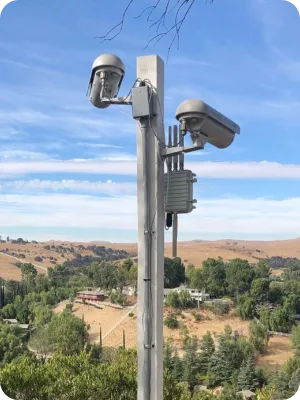
While individual behavior is critical, government policy also plays a decisive role in whether people evacuate safely and on time, because strong systems make good choices easier and bad choices harder. Investment in early detection technologies such as satellite monitoring, fire weather forecasting, and remote sensors gives authorities more time to issue warnings before conditions become chaotic and unmanageable.
Mandatory evacuation orders remain a point of debate because they raise questions about personal freedom, enforcement, and the use of police power. However, research shows that clear and firm orders, when combined with transparent communication and support services, produce higher compliance rates than vague or voluntary requests, especially during fast-moving fires.
Funding for rural and high-risk communities is especially important, because these areas often lack the resources to build strong alert systems, evacuation routes, and emergency shelters, even though they face some of the highest wildfire danger. When budgets are tight, preparedness is often one of the first things to suffer, with devastating consequences later.
Data-driven evacuation modeling is another promising tool, because modern computer simulations can predict how fires may spread and how traffic is likely to flow during an evacuation, allowing authorities to time their orders more precisely and avoid deadly congestion. When science guides decision making, response becomes faster, smarter, and safer.
.
Conclusion: Turning Behavioral Science into Survival
The reason people wait too long to leave during wildfires is not simple stubbornness or ignorance, but a complex mix of fear, attachment, misplaced hope, social pressure, flawed risk perception, and mental shortcuts that shape how humans respond under extreme stress. These behaviors are deeply human, which means they are predictable, and if they are predictable, they can also be addressed with better preparation, communication, education, and policy.
Behavioral research teaches us that people do not simply react to facts but to meaning, emotion, trust, and social cues, which is why evacuation strategies that rely only on warnings without context often fail. When communities understand how people actually think and feel during disasters, they can design systems that guide residents toward safety rather than leaving them to wrestle with fear and doubt alone.
At its core, evacuation failure is not just a fire management problem or a communication problem, but a human behavior problem, and solving it requires patience, empathy, planning, and long-term commitment from both authorities and residents. Every wildfire season brings new reminders of what is at stake, yet it also offers new opportunities to learn, adapt, and protect more lives.
If communities act on these lessons, if families prepare before the smoke rises, and if leaders invest in the tools and trust needed for rapid response, then the deadly pattern of delay does not have to continue. In the end, survival during wildfires depends not only on fighting flames but on understanding people, because knowledge, when turned into action, is one of the strongest defenses we have against disaster.