
The Extreme Environment of Wildfire Frontlines
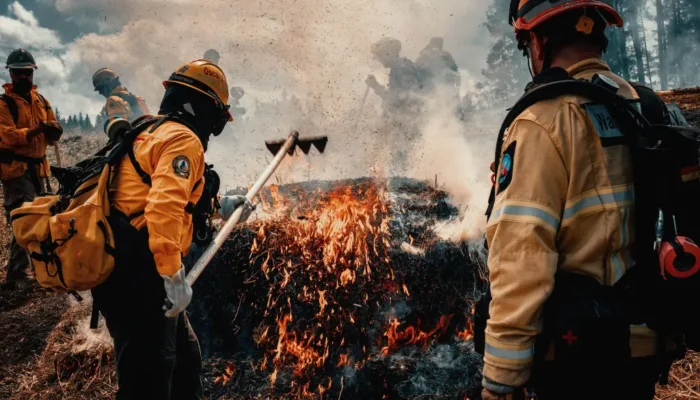
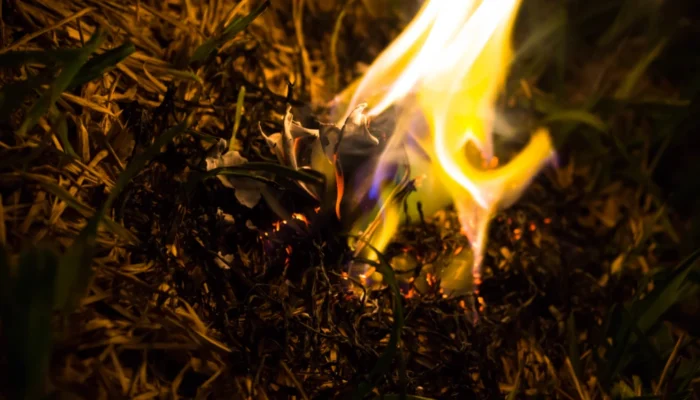
Wildfire frontlines are some of the harshest working environments on Earth, and they change rapidly in ways that are difficult to predict, even for experienced firefighters who have spent years studying fire behavior. Temperatures near active flames can soar high enough to melt metal, while thick smoke reduces visibility to just a few feet and makes breathing difficult without protection. Burning embers can fly through the air for miles, landing on vehicles, clothing, and unburned vegetation, starting new fires in places that seemed safe only moments before.
The ground itself is often unstable, with loose soil, fallen branches, rocks, and partially burned trees creating constant obstacles, and roads that appear solid may suddenly collapse or become blocked as fire weakens the landscape. Wind shifts can turn a slow-moving fire into a fast-moving wall of flame in minutes, trapping crews if they cannot move quickly. These conditions explain why normal vehicles fail in wildfire settings and why specialized design is not optional, but essential.
.
Engineering for Heat, Smoke, and Flame
One of the most important features of wildfire response vehicles is their ability to survive extreme heat without losing function, because a broken-down vehicle in the path of a fire can place lives at immediate risk. The materials used in their construction are chosen specifically for fire resistance, with reinforced steel frames, heat-shielded engine compartments, and fire-resistant coatings that help deflect radiant heat.
Cabins are often insulated to reduce the amount of heat that reaches firefighters inside, and critical systems such as fuel lines, electrical wiring, and hydraulics are protected behind layers of shielding to prevent damage from flames or embers. Windows may be made from special heat-resistant glass, and external components are positioned to reduce exposure to direct flame contact. Smoke protection is also a major concern, which is why many vehicles include sealed cabins and filtered air systems that help crews breathe more safely when visibility drops and smoke thickens.
.
Power and Mobility in Unforgiving Terrain
Wildfires do not respect roads or flat ground, and firefighting vehicles must be able to move across steep slopes, rocky trails, muddy firebreaks, and areas that have already been burned and weakened by heat. This level of mobility requires powerful engines that produce high torque rather than just speed, allowing vehicles to climb hills, pull heavy loads, and push through debris without stalling.
Advanced suspension systems help keep tires in contact with uneven ground, improving traction and stability, while four-wheel drive and specialized tires provide grip on loose or shifting surfaces. High ground clearance allows vehicles to pass over obstacles that would stop normal trucks, and reinforced underbodies protect vital components from damage. All of these features work together to ensure that vehicles can reach the fireline quickly and retreat just as fast if conditions become too dangerous.
.
Water, Foam, and Retardant Delivery Systems
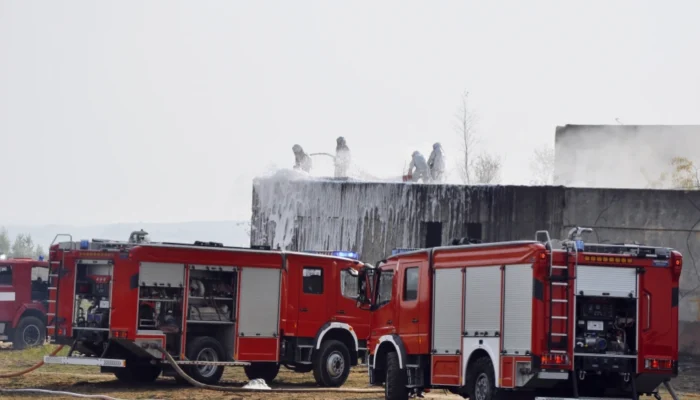
At their core, wildfire response vehicles are mobile firefighting platforms designed to deliver water, foam, or fire retardant exactly where it is needed, often under intense pressure and in very limited time windows. Onboard tanks can carry hundreds or even thousands of gallons of water, depending on the vehicle’s size and role, while high-powered pumps allow crews to spray water over long distances or up steep slopes.
Foam systems are especially important in wildland firefighting because foam helps water stick to vegetation and structures, slowing the spread of fire and reducing the chance of re-ignition. Retardants, which are often mixed with water, can create temporary barriers that slow fire movement and give crews time to build containment lines. Hoses, nozzles, and spray systems are designed for quick deployment, allowing firefighters to respond immediately as conditions change.
.
Protection for Firefighters Inside the Vehicle
While these machines are built to fight fire, their most important mission is to protect the people who operate them, because firefighter safety always comes first in wildfire response. Cabins are reinforced to withstand heat, falling debris, and even rollover accidents on steep terrain. Heat-reflective surfaces and insulation help keep interior temperatures survivable, even when flames pass close to the vehicle.
Many vehicles are equipped with emergency protection systems that can spray water or foam over the exterior, creating a temporary shield if the vehicle becomes surrounded by fire. Air filtration systems help remove smoke and ash from the air inside the cabin, reducing the risk of smoke inhalation. Seat design, harnesses, and interior layouts are all planned to keep crews secure and ready to act under extreme stress.
.
Technology and Communication on the Fireline
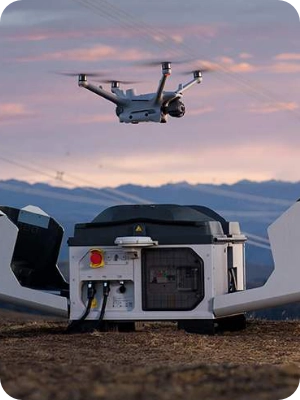
Modern wildfire response depends heavily on information, and firefighting vehicles are increasingly equipped with technology that helps crews understand and react to fast-changing conditions. GPS systems allow drivers to navigate complex terrain and track their position relative to fire boundaries, while digital maps show roads, trails, and firelines that may not be visible through smoke.
Thermal imaging cameras can detect heat sources through smoke, helping firefighters spot hidden flames or embers before they grow into larger fires. Communication systems connect vehicle crews with air support, command centers, and other ground teams, ensuring that everyone has the same information and can coordinate their efforts effectively. Weather data, including wind speed and direction, can be monitored in real time, helping crews anticipate changes in fire behavior.
.
Different Vehicles for Different Firefighting Roles
Wildfire response is not handled by a single type of machine, but instead relies on a fleet of vehicles, each designed for a specific role within a larger strategy. Some vehicles are built for rapid initial attack, allowing crews to reach new fires quickly before they grow, while others are larger and designed to support extended operations by carrying more water, equipment, and personnel.
Command vehicles serve as mobile coordination centers, equipped with communication tools and planning resources that help manage complex incidents. Support vehicles transport supplies, fuel, and maintenance equipment to keep operations running smoothly. Together, these different machines form a system, and Firefighting Vehicles work best when they are used as part of a coordinated response rather than as isolated tools.