Why Cities Are Failing Against Megafires
Cities are not built to handle the kind of fires we are seeing today, and the reasons for this failure are both environmental and human-made, working together in ways that increase risk instead of reducing it.
Climate change has created conditions where heat waves last longer, humidity drops lower, and winds become stronger, which means that fires ignite more easily and spread more quickly, turning small sparks into uncontrollable infernos.
At the same time, urban sprawl has pushed development deeper into forests and dry landscapes, placing more homes directly in fire zones, which increases both the chance of ignition and the scale of destruction when fires occur.
Many buildings are still constructed with flammable materials, such as wooden roofs, siding, and decks, which can catch fire from something as small as a drifting ember, allowing fires to spread from house to house even after the main fire front has passed.
Infrastructure also plays a dangerous role, especially aging power lines that can spark during high winds, creating new fires that are difficult to detect and control in their early stages. As explored in The Terrifying Reason Your Electricity Could Start the Next Great Fire (And Why You’re Not Prepared), aging and overloaded electrical systems in homes and city grids make a large, catastrophic urban fire increasingly likely – and most people are far less prepared than they think.
Evacuation systems often fail under pressure because many communities rely on a single road or lack clear escape routes, which leads to traffic jams and delays that can turn a dangerous situation into a deadly one.
The Science of Megafires: Why They Behave Differently Now
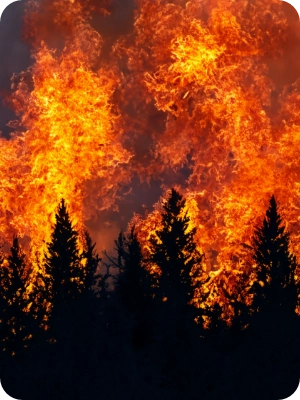
To understand why these fires are so destructive, it is important to understand how they behave, because modern megafires are not just larger versions of past fires but are fundamentally different in how they grow and spread.
Fire behavior is heavily influenced by weather conditions, including temperature, wind speed, humidity, and the dryness of vegetation, and when all of these factors align, fires can move with extreme speed and intensity.
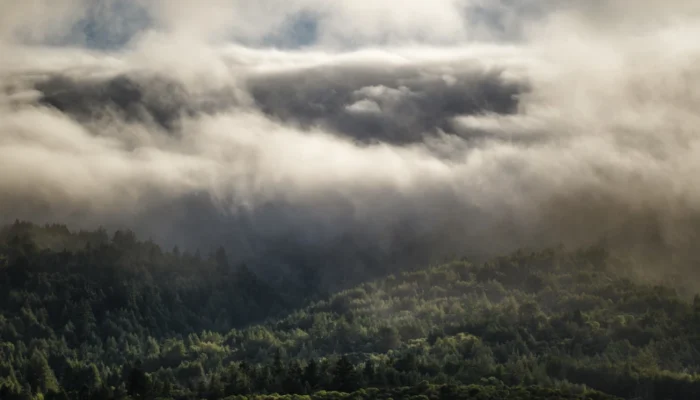
In some cases, fires become so large and hot that they create their own weather systems, forming massive storm clouds known as pyrocumulonimbus, which can generate lightning, strong winds, and even fire tornadoes, making the fire even harder to control.
Decades of fire suppression have also contributed to the problem, because forests that once burned regularly at low intensity have built up large amounts of dry fuel, which now feed explosive fires when they finally ignite.
Cities themselves can make things worse through the urban heat island effect, where built environments trap heat and raise local temperatures, creating conditions that can intensify nearby fires, and this growing connection between climate and fire behavior is explored in more detail in the article Climate Change Wildfires: Understanding the Growing Threat, which explains how rising global temperatures are increasing wildfire frequency and intensity while also creating a dangerous feedback loop that makes future fires even worse.
Case Studies: Cities That Burned – and Why
In Paradise, California, a fast-moving wildfire overwhelmed evacuation systems, and narrow roads quickly became congested, trapping residents who were trying to escape, which showed how critical evacuation planning is in high-risk areas.
During Australia’s Black Summer, extreme heat and strong winds created conditions where fires spread across vast distances, burning through entire regions and demonstrating how climate can drive fire behavior beyond what traditional systems can handle.
In Portugal, megafires were worsened by rural depopulation, which left forests unmanaged and filled with fuel, creating a landscape that was highly vulnerable to ignition and rapid fire spread.
In Chile between 2023 and 2024, fires moved through areas where urban development had expanded into fire-prone zones, exposing the risks of poor planning at the boundary between cities and natural landscapes.
Each of these cases shows that the problem is not just the fire itself, but the systems that failed before the fire even began.
External Fire-Prevention Systems: Stopping Fires Before They Reach the City
AI-Powered Fire Detection Networks
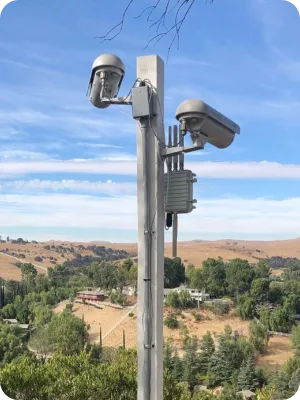
Early detection is critical, and new technologies are making it possible to identify fires before they grow out of control, using AI-powered systems that combine cameras, sensors, and predictive models to monitor large areas in real time.
These systems do more than just detect smoke, because they can analyze satellite imagery to track vegetation dryness and surface heat, while also combining weather data, ground sensor networks, and historical climate patterns to predict where fires are most likely to start and when conditions are most dangerous.
A deeper look at this approach is explained in the article How AI Predicts the Next Wildfire Hotspot, which describes how multispectral satellite data, infrared cameras, drones, and AI algorithms work together to detect early-stage fires, filter out false alarms like hot surfaces, and provide faster and more accurate alerts to firefighters, ultimately helping reduce response time and improve prevention efforts.
Drone-Based Fire Monitoring and Rapid Response
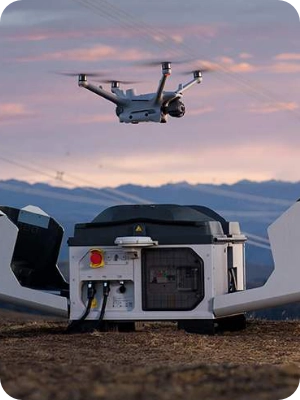
Drones are becoming valuable tools in fire management, especially in remote or difficult terrain, where they can monitor conditions using thermal imaging and detect fires even at night.
Some systems use multiple drones working together to map fire behavior in real time, providing information that helps firefighters make better decisions on the ground.
Satellite-Linked Early Warning Systems
Satellites can detect heat signatures from fires before smoke is visible, using advanced sensors that monitor large areas continuously, which makes them especially useful for identifying fires in remote regions.
When connected to local emergency systems, this data can provide early warnings that allow cities to prepare and respond before fires reach populated areas.
Regional Fuel-Management Strategies
Managing the landscape around cities is just as important as designing the cities themselves, and this includes controlled burns that safely reduce fuel levels and lower the intensity of future fires.
Other methods, such as mechanical thinning and grazing, can also help manage vegetation and reduce fire risk across large areas.
Because fires do not respect boundaries, these strategies require cooperation across regions and jurisdictions, ensuring that fire prevention efforts are coordinated and effective.