The next Great Fire will probably not begin with a dramatic explosion, a lightning strike, or a raging wildfire sweeping in from miles away, because it is far more likely to begin quietly, invisibly, and unexpectedly inside the walls of an ordinary home that looks perfectly safe from the outside. Most people assume that modern buildings, updated codes, and advanced technology have made catastrophic fires a thing of the past, yet what they do not see is that the very systems designed to power their lives are aging, overloaded, and operating closer to their breaking point than ever before.
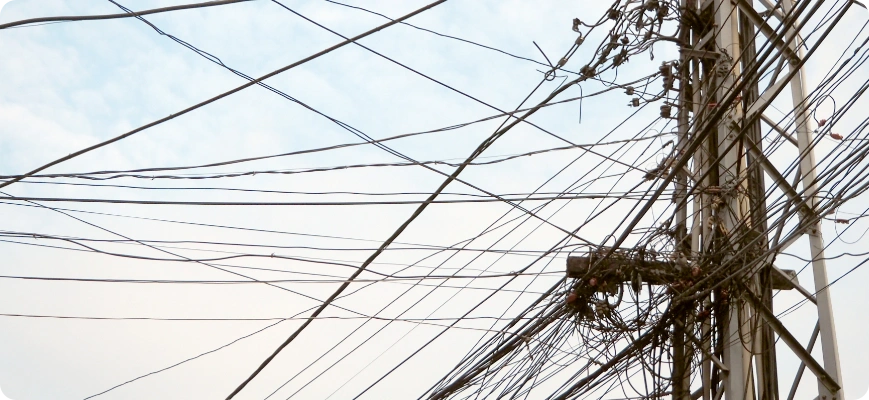
Across the country, electrical grids that were built decades ago are now being pushed far beyond what their designers ever imagined, because those systems were created during a time when homes used far fewer appliances, far less air conditioning, and almost none of the high-powered devices that now run constantly in modern households. Today, a single home may charge an electric vehicle overnight, power multiple gaming systems and televisions, run a home office with several computers, operate high-efficiency HVAC systems during long heat waves, and support dozens of smart devices that never truly turn off. All of that demand flows through infrastructure that in many places is forty, fifty, or even seventy years old.
This strain is not only happening inside homes, but also across entire cities, where transmission lines sag under heat, transformers fail under stress, and aging substations struggle to balance supply and demand during peak usage hours. Climate change adds another layer of pressure, because hotter summers mean more air conditioners running at full capacity for longer periods of time, and extreme weather events create sudden surges and outages that destabilize already fragile systems. When the grid weakens and surges ripple through neighborhoods, those bursts of uncontrolled electricity do not simply disappear; they travel into homes, into breaker panels, into wiring hidden behind drywall, where a single weak connection or worn insulation can begin to overheat.
This is the infrastructure crisis no one talks about, because it develops slowly, quietly, and without headlines, yet it creates the exact conditions that allow small electrical faults to grow into devastating structure fires. When public systems strain and private wiring ages at the same time, the risk multiplies rather than adds, and the result is a landscape where a modern urban catastrophe is not only possible but increasingly plausible.
The Infrastructure Crisis No One Talks About
The American electrical grid was once considered one of the greatest engineering achievements of the twentieth century, yet much of it was built during an era when average household electricity use was a fraction of what it is today, and when cities were smaller, cooler, and less densely packed with high-rise buildings and high-demand technology. Over time, maintenance was deferred, upgrades were postponed, and expansion often focused on adding new connections rather than reinforcing old foundations, which means many communities now depend on equipment that has been patched and repaired repeatedly rather than fully modernized.
As electrical demand has grown, utilities have often responded by squeezing more capacity from existing lines instead of replacing them entirely, which is similar to running an old engine harder rather than rebuilding it, and while that strategy may work temporarily, it increases wear and raises the likelihood of failure during periods of extreme stress. Heat waves have become longer and more intense in many regions, and when temperatures soar, electrical resistance in wires increases, which means systems must work even harder to deliver the same amount of power. At the same time, millions of air conditioning units switch on and remain running for hours, creating peak loads that push transformers and substations to their limits.
Storms introduce another layer of danger because strong winds can knock down lines or cause them to slap together, creating arcs and sparks that ignite nearby structures, and heavy rain followed by sudden power restoration can send surges through neighborhoods, overwhelming protective devices inside homes. In dense urban environments, where buildings sit close together and share interconnected utility pathways, a single electrical ignition can spread rapidly from one structure to another, especially if exterior materials are dry or interior systems are compromised.
When an aging public grid intersects with outdated private wiring, and both are under the stress of modern demand, the result is not simply inconvenience in the form of flickering lights or temporary outages, but a genuine increase in ignition risk. Cities today contain more combustible materials, more tightly packed structures, and more continuous electrical draw than many cities did in the past, which means the ingredients for another Great Fire are present even if few people recognize them.
.
A Lesson From History: How Small Sparks Become Catastrophic
History teaches a painful lesson about how minor problems can become major disasters, especially when systems fail at the exact moment they are needed most. One of the most tragic examples is the Iroquois Theatre fire in Chicago in 1903, which remains one of the deadliest single-building fires in American history. The fire caused 602 deaths and 250 non-fatal injuries, and it began during what was supposed to be a joyful afternoon performance attended by families and children.
Reports from that time describe how a small ignition source near a stage light quickly ignited flammable scenery, and because safety systems were inadequate and exits were poorly designed, the fire spread faster than the building could be evacuated. Fire curtains malfunctioned, doors were locked or difficult to open, and panic intensified the tragedy as smoke and flames filled the theater. What began as a relatively contained ignition escalated into a mass casualty because of structural flaws, insufficient preparation, and a belief that a serious disaster was unlikely to happen.
The pattern seen in the Iroquois Theatre fire appears again and again in history, where small sparks, overheated wiring, or minor technical failures triggered events that spiraled out of control. In many historic urban fires, the initial cause was not dramatic at all, but rather a faulty lamp, a damaged cable, or overheated equipment that had been ignored. Once flames gained access to combustible materials and open spaces, they spread exponentially, and by the time responders arrived, the situation had already surpassed what ordinary firefighting methods could contain.
The lesson from history is not simply that fires can be deadly, because that is obvious, but that they often begin quietly and without warning, in places that feel safe and routine. When people assume that systems will protect them automatically, they overlook the importance of maintenance, inspection, and awareness, and that complacency creates the same vulnerabilities that have fueled disasters for centuries. Although building codes and safety standards have improved dramatically since 1903, the basic reality remains unchanged: when electricity escapes its intended path and meets combustible material, it can produce catastrophic results within minutes.
.
Overloaded and Aging Electrical Systems
Inside many homes today, electrical systems are working harder than they were ever designed to work, because the typical house built in the 1970s or 1980s was not constructed with electric vehicle chargers, high-powered kitchen appliances, multiple refrigerators, large entertainment systems, and constant internet connectivity in mind. Panels that once supported a television, a few lamps, and basic appliances now support dozens of devices drawing continuous power, and while breakers are designed to trip when circuits overload, they cannot prevent all forms of overheating, especially when wiring connections are loose or insulation has deteriorated over time.
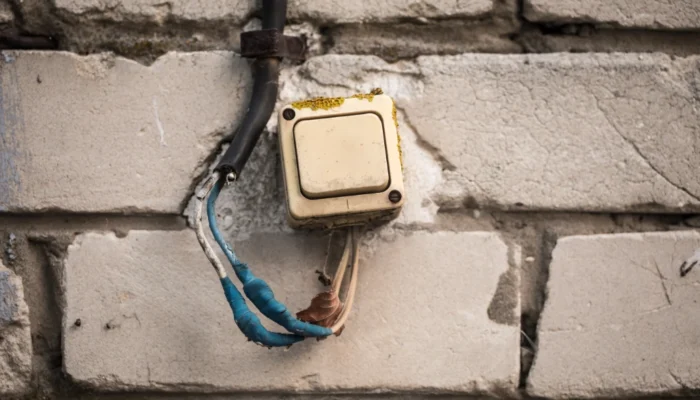
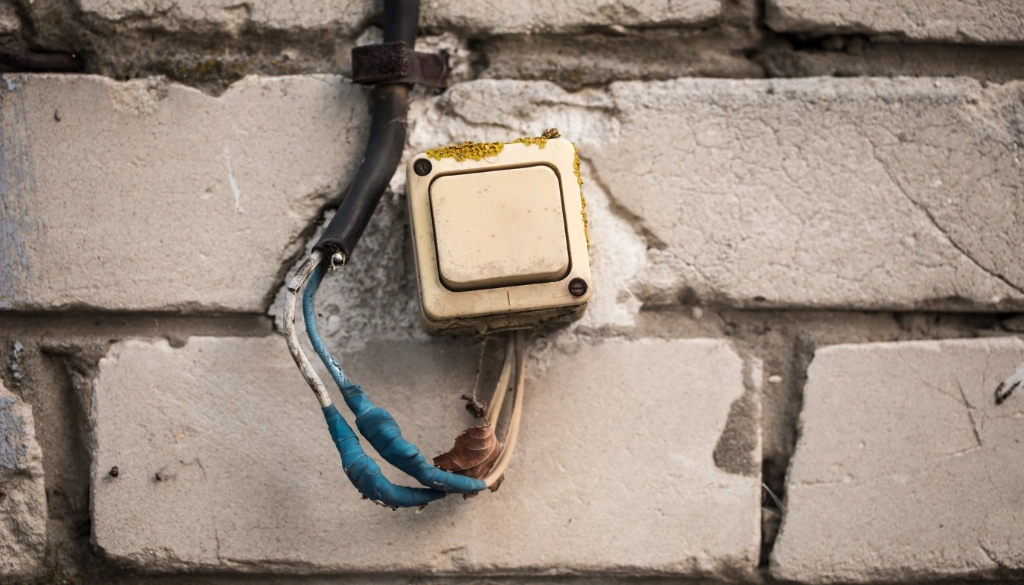
Aging wiring can develop tiny cracks in insulation, which expose conductive material to surrounding wood framing, and if a connection becomes loose, electrical resistance increases at that point, generating heat that builds slowly but steadily. Because these processes occur behind walls and above ceilings, homeowners rarely see the warning signs until something smells like burning plastic or smoke begins to appear. Even then, the fire may already be spreading through hidden cavities that act like chimneys, pulling flames upward and outward through a structure.
Many households rely on extension cords and power strips as permanent solutions rather than temporary tools, which means circuits may be supporting loads far beyond their intended capacity for extended periods of time. Space heaters, in particular, draw large amounts of power and can overheat wiring if plugged into inadequate circuits, especially during the winter months when they operate continuously. Similarly, do-it-yourself electrical modifications, such as replacing breakers with higher-rated ones without upgrading wiring, can remove critical safety limits and allow wires to heat beyond safe thresholds without tripping protection.
The most troubling aspect of electrical fires is that they often develop without visible flames at first, because overheating wires can smolder within walls for long periods before igniting surrounding materials. By the time flames break through drywall, the fire may have already consumed structural elements and spread into attic spaces, making suppression far more difficult. When these conditions combine with the broader infrastructure stress discussed earlier, the potential for widespread damage increases, particularly in dense neighborhoods where one structure fire can quickly threaten others.
.
Why Modern Structures Burn Faster Than Ever
Modern buildings contain materials that behave differently under fire conditions than older construction did, and while some innovations have improved safety, others have increased fire intensity and speed once ignition occurs. Synthetic furnishings, including foam-filled couches and plastic-based decor, burn hotter and faster than many natural materials used decades ago, producing thick, toxic smoke that fills rooms rapidly. Lightweight engineered wood products, which are common in contemporary construction, can fail structurally more quickly under intense heat than traditional solid timber.
Open floor plans, which are popular because they create spacious and airy living areas, also allow flames and smoke to travel horizontally without the barriers that older compartmentalized designs provided. Once a fire breaches a wall cavity or ceiling space, it can spread vertically into attics and across roof structures, sometimes remaining hidden until it becomes large enough to break through visibly. Studies of modern fire behavior show that flashover, which is the point at which an entire room ignites almost simultaneously, can occur much faster today than it did in homes filled primarily with natural materials.
This means that when an electrical ignition begins inside a wall, the timeline for safe escape and effective response may be shorter than many people realize. The combination of faster-burning contents and interconnected interior spaces creates a situation in which even a small electrical fault can evolve into a structure-engulfing fire in a matter of minutes, especially if detection systems are absent or malfunctioning.
.
Why You’re Probably Not Prepared
Despite the increasing strain on infrastructure and the realities of modern fire behavior, many people assume they are safe simply because their home passed inspection when it was built or purchased. Building codes establish minimum standards at a specific moment in time, but they do not guarantee that systems will remain safe decades later under heavier loads and different usage patterns. Breakers can trip when circuits overload, but they cannot fix loose connections, degraded insulation, or improperly installed components that generate heat below the threshold of immediate shutdown.
Most homeowners rarely schedule professional electrical inspections unless they are renovating or experiencing obvious problems, which means subtle hazards may go undetected for years. Rental properties often operate with outdated panels and wiring, especially if landlords focus on cosmetic updates rather than infrastructure upgrades. In many cases, warning signs such as flickering lights, warm outlets, or occasional breaker trips are dismissed as minor annoyances rather than indicators of deeper issues.
There is also a psychological factor at work, because people tend to believe that serious disasters happen elsewhere and to other people, not within their own familiar spaces. This belief creates a false sense of security that discourages proactive maintenance and investment in upgrades. Yet history and modern data both show that catastrophic fires rarely announce themselves in advance with dramatic signals; instead, they begin with small, preventable failures that escalate under the right conditions.
.
Final Warning: Disasters Don’t Announce Themselves
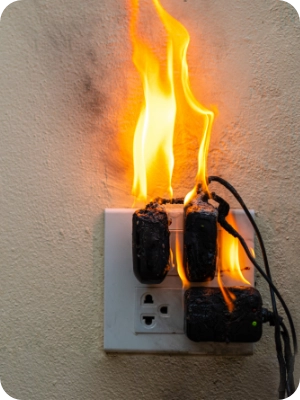
Fires do not begin with sirens or headlines, but with tiny sparks, loose wires, overheated circuits, and stressed systems operating quietly in the background of daily life. The broader infrastructure crisis increases the likelihood of surges and instability, while aging home wiring struggles to keep pace with modern demand, and when those two forces intersect, the margin for error shrinks dramatically. What feels like a normal evening of charging devices, cooking dinner, and running air conditioning can place sustained stress on systems that are already near their limits.
The terrifying truth is that the next Great Fire may not start in a remote forest or an abandoned warehouse, but in a perfectly ordinary neighborhood where no one expects catastrophe. It may begin behind drywall, in a breaker panel, or at a connection point that has slowly degraded over time, and by the time smoke becomes visible, the opportunity for easy prevention may have already passed. Understanding this risk is not about creating panic, but about recognizing that modern life depends on complex electrical systems that require attention, maintenance, and respect.
History shows that small sparks can become tragedies when infrastructure fails, and complacency prevails, and the pressures facing today’s electrical systems suggest that similar conditions exist once again. Whether or not a future disaster earns the name Great Fire, the underlying causes will likely be familiar: aging systems, rising demand, and assumptions that everything is fine simply because it has not yet gone wrong.